


Pressing a full glass of sweet tea or iced coffee against the dispenser paddle only to hear a hollow click and an empty spinning auger brings summer hosting to a dead stop. Lifting the freezer drawer reveals a bare plastic bucket, leaving you dealing with an ice maker not making ice right before dinner guests walk through the front door. Most sudden ice stoppages trace back to bumped shut-off arms, freezer compartments creeping above ten degrees, restricted carbon filters, or frozen fill tubes rather than dead compressors.
Relief starts right here because our specialists at Grand Appliance solve stalled ice production every single day and mapped out the exact diagnostic order for your kitchen. You can walk through zero-tool resets in five minutes, check thermal thresholds and water flow, test mechanical valves safely, and weigh repair costs against upgrading to high-output refrigeration.
Save | Ice Maker Deals
Five-Minute Settings Fixes for an Ice Maker Not Making Ice
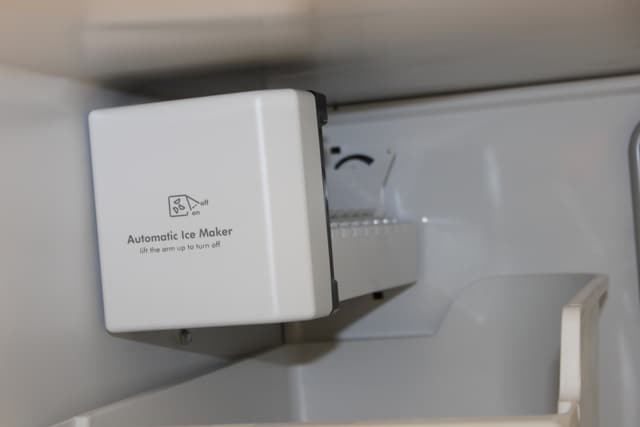
Before pulling your refrigerator away from the wall or shutting off plumbing, start with quick control checks inside the cabin. Everyday grocery loading bumps mechanical levers and blocks electronic eyes far more often than motors burn out. If you’re wondering, “Why did my ice maker stop making ice,” it usually starts with clearing one of six hidden triggers below.
- Lower the Wire Shut-Off Arm: Older freezer-mounted trays use a metal bail arm that rises as the bucket fills and drops to start a new batch, and an ice maker control arm stuck in the up slot stops pausing production. Reach inside and push a stuck arm firmly down into its lower working position.
- Flip the Electronic Power Toggle: Newer trays replace wire arms with a rocker switch or push button tucked along the side wall of the assembly. Verify that a tall frozen pizza box did not nudge this switch to off.
- Clear Dispenser Pause and Lock Modes: Check your exterior door panel for Ice Off, Control Lock, or Child Lock icons that freeze dispenser paddles and stop overnight harvests. Hold the lock button for three seconds to wake the board.
- Reseat the Ice Storage Bucket: Pull the plastic ice bin straight out, check for stray cubes wedged behind the auger drive coupling, and click the bucket flush into its locking rails.
- Wipe Infrared Optical Sensors: Modern refrigerators with ice makers shine an invisible infrared beam across the ice bin instead of using mechanical arms. Wipe frost crystals and fog off both clear plastic sensor lenses with a dry microfiber cloth so stray ice stops tricking the board into reading a full bucket.
- Run a Direct Reset Cycle: Learning how to reset ice maker electronics takes less than five minutes. Press and hold the small Test or Reset button under the front module cover for three to five seconds until the ejector fingers begin turning, or unplug the power cord for three minutes to reboot the main control board.
Learn More: 8 Top Energy Efficient Refrigerator Features That Matter Most
Optimal Freezer Temperature and Airflow Settings for Refrigerator Ice Makers
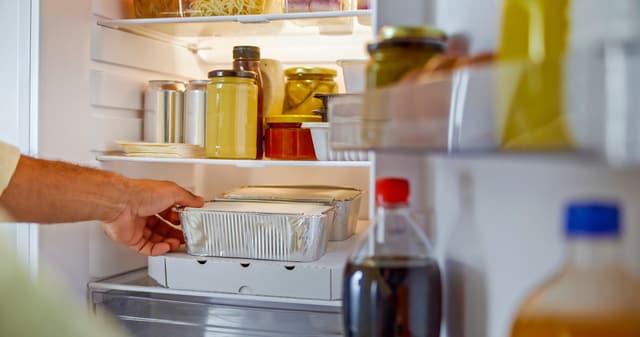
Finding the right freezer temperature for ice maker cycling separates steady daily output from a stalled tray. Internal harvest thermostats require cabin air between 0°F and 5°F (-18°C to -15°C) before releasing cubes. Whenever freezer air climbs above 10°F, the thermostat holds the water mold shut so half-frozen slush doesn’t spill into your storage bin.
Relying solely on the exterior digital readout misleads homeowners because built-in wall thermistors drift over time or sit far away from the upper ice compartment. Place an inexpensive standalone dial thermometer directly beside the ice bucket overnight to verify true air readings. Overpacked frozen food bags stacked against rear evaporator fan vents also choke cold air circulation, starving the ice box even when the lower drawer feels rock solid.
Testing Door Seals and Cooling Coils
Warm kitchen air sneaking past worn rubber seals forces compressors to run hot while raising upper shelf temperatures past the harvest cutoff. Close the freezer door on a crisp dollar bill and tug gently at six-inch intervals around all four edges. If the paper slides out with zero drag, clean the rubber fold with warm soapy water or replace the stretched gasket. Vacuuming pet hair and kitchen dust off bottom or rear condenser coils also helps heat escape faster. After dialing your thermostat down to 0°F, give the cabin a full 24-hour window to stabilize and drop its first full batch.
Fix an Ice Maker That Dispenses Water Without Freezing Cubes
An ice maker not making ice but water most likely comes down to a restricted line pressure or a blocked freezer nozzle rather than a shut main house valve. Door dispensers open wide and pour steady streams even at weak pressure, whereas timed ice inlet solenoids open for only five to seven seconds and need 20 to 30 psi of household pressure to fill every cube slot.
Clearing Filters and Supply Valves
Old carbon filter cartridges choke water flow long before halting the door spout, leaving you with an ice maker making small ice cubes, hollow shells, or bone-dry trays. Swap out any clogged refrigerator water filter older than six months, or snap in the factory filter bypass plug temporarily to test raw line pressure. Inspect braided stainless steel or poly tubing behind the cabinet for sharp kinks after pushing the box back toward the wall. In older homes, brass self-piercing saddle valves clamped onto copper basement pipes build mineral scale over the tiny needle hole; upgrading to a full-port inline shut-off valve restores crisp pressure right away.
Thawing a Frozen Fill Tube Safely
Cold air creeping up the rubber spout above the mold creates a solid ice plug that blocks incoming water from reaching the tray. Follow safe thawing steps whenever you spot icicles inside that top chute:
- Disconnect Electrical Power: Unplug the refrigerator cord from the wall outlet before working with heat or melting water near internal wiring harnesses.
- Protect Interior Liners: Line the freezer floor and shelf beneath the assembly with dry hand towels to catch dripping meltwater and shield thin plastic walls.
- Warm with Low Airflow: Aim a handheld hair dryer set on low heat six inches away from the frozen ice maker fill tube, moving the nozzle side to side until clear water drips freely and never chipping ice with knives, screwdrivers, or metal picks that puncture refrigerant lines.
Learn More: Counter Depth Refrigerator Dimensions, Features, & Prices Explained
Diagnosing Faulty Water Inlet Valves, Mold Heaters, and Ice Maker Assemblies
When five-minute resets fail to restart ice production, mechanical wear inside the rear cabinet or upper tray assembly are the likely cause.
Counterintuitively, making ice depends on brief bursts of heat. Underneath every metal ice mold sits a tiny release heating element that warms the tray floor just enough to break the frost bond so motorized ejector gear teeth and raker arms can sweep cubes into the bin. If that underside mold heater burns out, frozen cubes stay welded in place forever and block fresh water fills. On the back lower frame of your refrigerator, a dual or single solenoid valve controls timed water entry. A faulty water inlet valve with a cracked diaphragm weeps droplets upward into the freezer spout, refreezing inside the chute overnight, while a burned solenoid coil stays silent instead of clicking and humming during a manual test cycle.
Homeowners can safely unplug the power cord, shut off the household water supply, unthread the rear supply hose, and rinse sand or pipe grit out of the fine mesh sediment screen inside the valve port. You can also visually inspect plastic ejector gears inside the freezer head for stripped teeth or burnt wire harnesses. Leave live electrical multimeter continuity tests and sealed-system refrigerant diagnostics to certified service technicians so you protect control boards and personal safety.
Refrigerator Ice Maker Troubleshooting Chart by Symptom and Cause
Match what you see and hear at the freezer door against the six common ice maker troubleshooting tips below.
| Symptom | Most Likely Cause | First DIY Check | Tools Needed | Estimated Fix Time | When to Call a Technician |
|---|---|---|---|---|---|
| No Ice + Water Dispenser Works | Frozen fill tube or restricted filter drops mold pressure. | Swap water filter and inspect overhead fill spout for ice plugs. | Hair dryer and hand towels. | 15 to 30 minutes. | Valve hums during test cycle without sending water upward. |
| No Ice + Water Dispenser Dead | Closed house shut-off valve, kinked hose, or dead dual valve. | Pull refrigerator forward carefully to check rear tubing and wall valve. | Flashlight and adjustable wrench. | 10 to 20 minutes. | Wall line sprays strong pressure while rear valve stays shut. |
| Small or Hollow Ice Cubes | Overdue carbon filter or scaled saddle valve starves timed fill. | Install fresh OEM filter and time water dispenser fill speed. | None for filter swap. | 5 minutes. | New filter and inline shut-off valve fail to enlarge cubes. |
| Ice Clumping or Jammed Chute | Partial defrost warmth or stale unused ice welds cubes together. | Lift bin out, wash with warm water, and dry completely. | Mild dish soap and towel. | 15 minutes. | Dispenser flapper door seal hangs open and leaks warm room air. |
| Clicking or Buzzing Sounds Without Ice | Dry inlet valve trying to fill or stripped ejector gear teeth. | Flip ice switch off right away if water supply is disconnected. | Flashlight. | 5 minutes. | Gear motor grinds loudly with cubes frozen solid in tray. |
| Slow Daily Ice Output | Freezer above 5°F, blocked air vents, or dusty condenser coils. | Measure cabin air with dial thermometer and vacuum lower coils. | Dial thermometer and vacuum brush. | 20 minutes plus 24-hour chill. | Cabin stays warm above 10°F despite clean coils and tight seals. |
Prevent Future Ice Jams and Mineral Scale with Simple Upkeep
Once cold cubes start dropping into the bucket again, light seasonal care stops repeat clogs and mineral crust before they start. Hard tap water carries high total dissolved solids that coat inlet valves, heater molds, and rubber spouts with chalky limescale whenever filtration slips past schedule. Keeping your refrigerator ice maker not working off your weekend chore list takes just two easy calendar habits.
Monthly and Six-Month Care Habits
Unused ice sitting in a bin for weeks shrinks through sublimation and partially melts during automatic defrost cycles, fusing loose cubes into solid ice bridges that jam augers and dispenser chutes. Twist in an authentic OEM replacement water filter every six months without waiting for slow flow, and always flush two gallons of water plus discard your first two to three batches of ice after any filter change or line repair to purge loose dust and trapped air. Once a month, empty stale cubes, wash the removable ice bucket in warm water with mild dish soap, dry every corner thoroughly before sliding it back onto the auger drive, and brush dust off lower condenser coils twice a year so compressors run cool.
When to Repair an Ice Maker vs. Upgrade Your Refrigerator
Knowing whether to replace refrigerator ice maker parts or put that repair budget toward modern kitchen refrigeration depends on age, part pricing, and how much ice your household goes through every week. Most freestanding refrigerators deliver 10 to 12 years of dependable cooling before sealed compressors, evaporator fans, and electronic boards begin aging together.
Check your factory warranty coverage first, since many brands cover parts and labor for year one while protecting sealed cooling loops for five years. Outside warranty, swapping a modular ice tray assembly or water inlet valve runs far less than replacing a main control board or compressor. We recommend the 50% rule on any refrigerator past eight years old: if a professional repair quote reaches half the price of comparable new refrigerators, putting cash into aging electronics rarely pays off. or built-in undercounter ice makers for dedicated entertaining reserves.
Fixing an Ice Maker Not Making Ice Yourself: Pros and Cons
Tackling basic resets, filter swaps, and fill-tube thaws on an ice maker not making ice saves service fees right away, though plumbing hookups and fragile freezer liners carry real trade-offs worth weighing before grabbing wrenches.
Pros
Zero Service Call Fees
Handling power resets, sensor wipes, and filter changes at home saves diagnostic trip charges.
Same-Day Ice Recovery
Thawing an icy fill spout or flipping a bumped bail arm restores cube production tonight instead of waiting days for an open technician window.
Simple Modular Part Swaps
Many replacement water filters and drop-in freezer trays attach with basic quarter-inch screws and plug-in harnesses.
Better Cooling Efficiency
Checking freezer temperatures, door gaskets, and dusty coils during troubleshooting lowers electric bills and protects fresh groceries at the same time.
Cons
Hidden Water Line Leaks
Over-tightening rear compression fittings or cracking brittle poly tubing behind heavy cabinets can soak hardwood floors unnoticed.
Cracked Plastic Freezer Walls
Using sharp tools or high heat guns near frozen tubes warps thin interior liners and voids manufacturer warranty protection.
Learn More: Built In Refrigerator Buying Guide: Sizes, Styles, & Costs Explained
Upgrade Your Kitchen with Dependable, High-Output Ice Production
When an aging refrigerator struggles to keep temperatures steady or falls short of your family's daily ice demand, modern designs deliver faster recovery and smarter storage. At Grand Appliance, we carry these dependable, high-capacity refrigerators built for steady cold performance and everyday convenience.
LG 33" 24.5 Cu. Ft. PrintProof™ Stainless Steel French Door Refrigerator
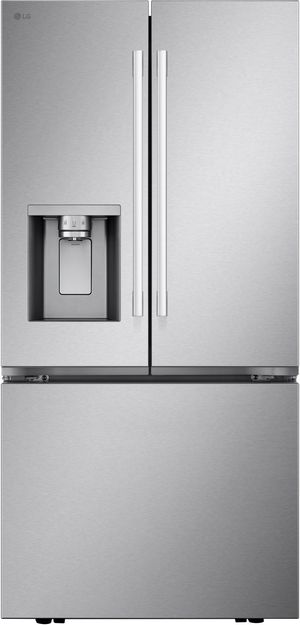
Don’t run out of ice midway through weekend. Stay ahead of the curve with dual ice production that splits duties between an in-door dispenser and a dedicated lower freezer bin. Holding over seven pounds of combined full-size cubes and crushed ice, this 33-inch French door refrigerator fits narrower kitchen alcoves while packing 24.5 cubic feet of organized grocery room. Activating IcePlus boosts freezing speed ahead of busy gatherings, while Multi-Air Flow vents keep upper and lower zones evenly chilled so harvests stay right on schedule. Built-in Wi-Fi alerts your phone if a door stays cracked open.
Top Features:
- Dual Ice Storage: Separate door and pull-out freezer bins hold 7.4 pounds of combined ice so family drinks and party coolers stay stocked simultaneously.
- IcePlus Accelerated Freezing: Drops freezer temperatures for 24 hours to speed up batch recovery before guests arrive.
- SmartDiagnosis Mobile Alerts: Sends temperature and filter maintenance updates straight to your smartphone to prevent unexpected ice pauses.
⭐ Featured LG LF25H6330S Review:
“We love our new LG Refrigerator. The additional ice cube bin in the freezer is a bonus. The interior layout of the refrigerator allows for adjusting shelves etc. The bottom freezer with a drawer and two sides is awesome.”
GE® 36" 27.7 Cu. Ft. Fingerprint Resistant Stainless Side-By-Side Refrigerator with LED Light Walls and Extra Tall Dispenser
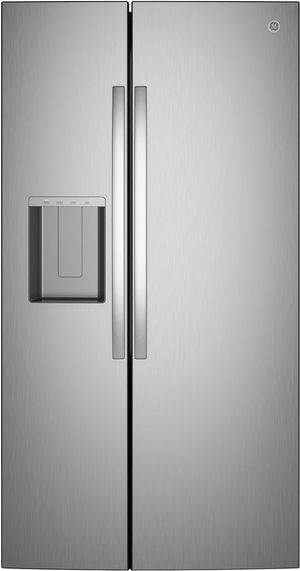
Filling tall travel tumblers, sports jugs, and coffee carafes feels effortless under an extra-tall external dispenser paired with seven full pounds of dedicated ice storage. Side-by-side vertical organization keeps frozen goods and removable ice baskets at comfortable chest height instead of stacked deep inside floor drawers. Across 27.7 cubic feet of generous standard-depth room, bright LED light walls illuminate every shelf corner so forgotten jars never block rear cooling vents. Integrated Wi-Fi connectivity and filter indicator alerts take the guesswork out of six-month water cartridge swaps.
Top Features:
- Removable Ice Basket: Stores a hefty reserve of cubed and crushed ice that lifts out cleanly for cooler packing or monthly washing.
- Extra Tall External Dispenser: Accommodates oversized water bottles and pitchers upright without awkward tilting at the spout.
- LED Light Wall Illumination: Casts bright, even visibility across back shelves so groceries stay organized away from airflow vents.
Whirlpool® 36" 19.4 Cu. Ft. Fingerprint Resistant Metallic Steel Counter Depth French Door Refrigerator
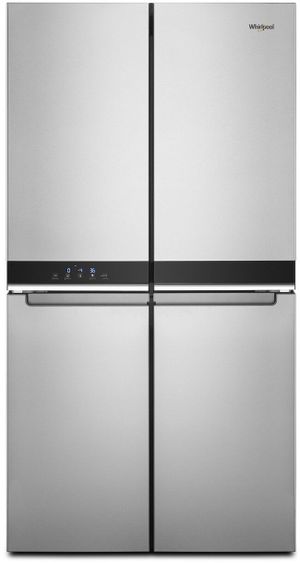
Tight galley walkways and kitchen islands gain breathing room with a counter-depth four-door footprint that aligns cleanly beside surrounding base cabinets. Instead of digging through piled frozen bags in a single pull bin, swing-door freezer compartments divide frozen foods neatly and keep ice storage easy to reach. Zero-clearance hinge engineering lets doors open smoothly beside adjacent walls or pantry trim without scraping, while automatic defrost cycles prevent frost bridges from jamming your ice supply. Audible door alarms warn your household whenever an ajar door threatens sub-zero freezer stability.
Top Features:
- Four-Door Swing Freezer Access: Organizes frozen items on structured shelves rather than stacked piles for fast visibility and steady air circulation.
- Counter-Depth Zero-Clearance Fit: Tucks flush with kitchen cabinetry while hinges swing cleanly inside tight wall cutouts.
- ENERGY STAR Cooling Efficiency: Maintains strict 0°F ice-harvesting temperatures while trimming year-round household electricity use.
⭐ Featured Whirlpool WRQA59CNKZ Review:
“Well made…love design as food is easy to access with four door design. Ice dispenser does not take up much of the freezer space like previous refrigerator.”
GE Profile™ 36" 22.1 Cu. Ft. Fingerprint Resistant Stainless Steel Counter Depth French Door Refrigerator
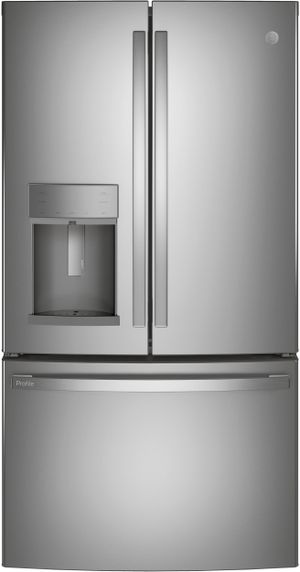
Shop the GE Profile PYE22KYNFS
Separate cooling climates protect both crisp salad greens and rock-solid ice batches inside this 22.1 cubic foot counter-depth French door design. TwinChill dual evaporators isolate dry sub-zero freezer air from humid fresh-food shelves, cutting down on frost crystals and freezer odor transfer into your crushed or cubed ice. A slide-back Quick Space shelf makes instant room for tall pitchers on busy nights, while zero-clearance doors fit snug remodel alcoves with ease. External temperature readouts let you confirm exact degree settings at a glance without letting cold air escape.
Top Features:
- TwinChill Dual Evaporators: Keeps dry freezer air completely separate from humid refrigerator air so ice tastes clean and resists clumping.
- Quick Space Slide-Back Shelf: Tucks backward in seconds to stand tall beverage bottles upright without rearranging entire racks.
- Microban Interior Protection: Built-in antimicrobial surface technology helps keep high-touch storage zones cleaner between wipe-downs.
⭐ Featured GE Profile PYE22KYNFS Review:
“WE LOVE OUR GE PROFILE 22.1 Counter Depth Refrigerator. It is so clean, sleek and efficient. The auto fill on the water dispenser is AWESOME! Best of all we love that it fits our space perfectly and works great!”
KitchenAid® 36" 24.3 Cu. Ft. PrintShield™ Stainless Steel Counter Depth French Door Refrigerator with Interior Dispense
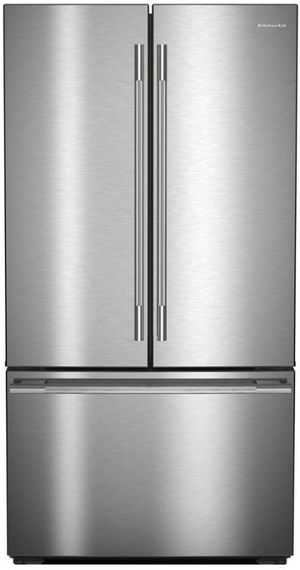
Shop the KitchenAid KRFC236SPS
Homeowners who want an uninterrupted exterior without giving up filtered chilled water and dedicated lower-drawer ice production find an ideal balance in this 24.3 cubic foot counter-depth French door fridge. Placing the filtered water spout just inside the fresh-food cabin frees up full insulated door storage for gallon jugs and condiments while keeping ice harvesting down inside the cold pull-out freezer drawer where temperatures stay lowest. Preserva cooling management teamed with FreshSeal crisper gaskets locks in produce moisture while automatic defrost keeps freezer coils running cleanly.
Top Features:
- Filtered Interior Water Dispenser: Delivers chilled filtered water one-handed inside the fridge while maximizing cold freezer drawer space for ice making.
- Preserva Food Care Cooling: Monitors cabin temperatures continuously to protect fresh ingredients and maintain steady sub-zero ice harvests.
- Counter-Depth 24.3 Cu. Ft. Capacity: Balances flush cabinet alignment with generous wide-platter shelf storage for avid home cooks.
⭐ Featured KitchenAid KRFC236SPS Review:
“Very pleased with our Kitchen Aid refrigerator. The internal water dispenserworks great. The ice maker in the lower freezer compartment produces plenty of ice and the cube sizes are Perfect for our needs.”
Samsung Bespoke AI 36" 29.5 Cu. Ft. Fingerprint Resistant Stainless Steel French Door Refrigerator with In-Door Tall Water Dispenser
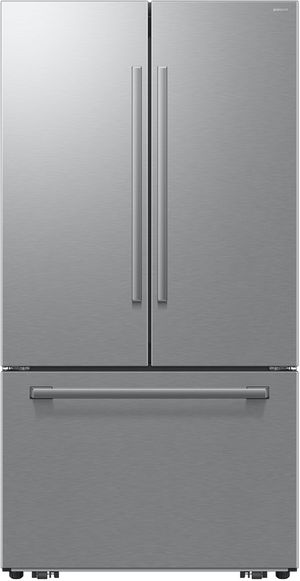
Large households gain nearly 30 cubic feet of grocery storage alongside over five pounds of full-size cube capacity in this high-volume standard-depth French door refrigerator. Keeping ice production down in the spacious 8.7 cubic foot freezer drawer avoids warm door-chute meltdowns, while an in-door tall water pitcher station delivers chilled filtered hydration without opening wide main doors. Smart app monitoring tracks energy habits, sends instant door-ajar warnings, and illuminates filter replacement reminders so water pressure to the lower ice tray never drops unexpectedly.
Top Features:
- Generous 29.5 Cu. Ft. Interior: Packs bulk grocery trips effortlessly while reserving a dedicated 5.1-pound storage bin for crisp full-size ice cubes.
- In-Door Tall Water Station: Fills tall Pitchers and sports bottles rapidly with filtered cold water while preserving interior shelf space.
- Smart Wi-Fi Filter & Temp Tracking: Alerts your phone when filters reach capacity or cabin doors stay open so ice output stays uninterrupted.
⭐ Featured Samsung RF70H30KER Review:
“I absolutely love our new refrigerator. There is so much room. Dispenser inside is genius. The freeze is big and organized well.”
When an older freezer or tired ice assembly is ready for retirement, shop online at grandappliance.com or stop into your nearest Grand Appliance showroom to compare dependable replacements side by side. Unlike big-box stores, our local showroom specialists understand dual and craft ice designs inside and out, backing your purchase with professional delivery, leak-free water-line installation, haul-away of your old refrigerator, and dedicated local customer care.
Learn More: Top-Rated Upright Freezers for Extra Food Storage
Frequently Asked Questions About an Ice Maker Not Making Ice
Reset your refrigerator ice maker by pressing and holding the module Test or Reset button for three to five seconds until the ejector cycle begins. If your assembly lacks a dedicated reset button, flip the power switch off for one minute or unplug the refrigerator for three minutes to reboot the main control board.
Set your freezer between 0°F and 5°F (-18°C to -15°C) so the ice maker thermostat triggers regular harvest cycles. Internal sensors pause ice production whenever cabin temperatures climb above 10°F to prevent unfrozen water from spilling into the bucket.
Knowing how long does it take an ice maker to make ice helps set realistic expectations, as most trays drop a single batch every 90 to 120 minutes once the freezer stabilizes at 0°F. Allow a full 24 hours after a power reset or water filter swap for air pockets to clear and fill an empty storage bin completely.
A clogged refrigerator water filter or household water pressure below 20 psi can stop an ice maker completely even when the door water dispenser still flows. Timed inlet valves open for only a few seconds per cycle and need strong, unrestricted flow to fill the ice mold.
Unplug the refrigerator, place dry towels under the assembly, and warm the frozen ice maker fill tube gently with a hair dryer on low heat held six inches away until ice melts clear. Avoid poking metal knives, picks, or screwdrivers into the chute because sharp tools crack plastic liners and puncture cooling lines.
Clicking or buzzing sounds without ice usually indicate a dry water inlet valve trying to fill with a shut supply line or stripped plastic gears jamming inside the ejector head. Turn the ice maker switch off right away to prevent burning out the valve solenoid until water flow or frozen tray jams are cleared.
Why Trust Grand Appliance
Grand Appliance is the appliance store of choice for homeowners across Illinois, Wisconsin, Indiana, and Iowa, offering an extensive selection of top-brand home appliances, beautifully designed showrooms, competitive pricing, and an unwavering commitment to customer satisfaction.
Family-owned and operated since 1930, Grand Appliance has earned a trusted reputation for quality products and exceptional service. Our decades of experience reflect a deep commitment to helping customers find the right appliances for their homes. We carry a wide range of refrigerators, dishwashers, cooking appliances, outdoor grills, and laundry solutions from leading manufacturers. Whether you’re upgrading your kitchen with a professional-style range or replacing a dependable washer and dryer, Grand Appliance offers a large selection of premium brands to fit your needs and budget. Shop with confidence today.
Shop Refrigerators at Grand Appliance
Explore a wide selection of premium appliances and outstanding customer service at Grand Appliance. Visit one of our appliance store locations throughout the Midwest to experience the latest innovations from trusted brands. For more than 90 years, our family-owned business has remained dedicated to delivering high-quality appliances and personalized service. Our knowledgeable appliance experts are ready to help you find the perfect solution for your home. Browse our online catalog or contact your nearest Grand Appliance showroom to get started today.
Learn More: What Every Shopper Should Know about Refrigerator Dispensers